Domain imta.de kaufen?
Wir ziehen mit dem Projekt
imta.de um.
Sind Sie am Kauf der Domain
imta.de interessiert?
domain@kv-gmbh.de · 0541-91531010
Domain imta.de kaufen?
"The topic of sensory integration is relevant to everything from child development to occupational therapy. What are the key principles of sensory integration and how do they impact daily life?"
The key principles of sensory integration include the idea that sensory input affects how we process information, the importance of a balance between different sensory systems, and the need for adaptive responses to sensory stimuli. These principles impact daily life by influencing how individuals interact with their environment, regulate their emotions, and engage in activities. Understanding sensory integration can help improve functioning in areas such as attention, behavior, and social interactions. **
Was ist wichtiger: hartes Training oder Talent?
Sowohl hartes Training als auch Talent sind wichtig, aber ihre Bedeutung kann je nach Kontext variieren. Talent kann eine gute Ausgangsbasis bieten, aber ohne hartes Training und Engagement wird man seine Fähigkeiten nicht voll ausschöpfen können. Hartes Training ermöglicht es einem, seine Fähigkeiten zu verbessern und sein volles Potenzial zu erreichen, unabhängig vom vorhandenen Talent. **

Ähnliche Suchbegriffe für Principles
Top-Angebote
Produkte zum Begriff Principles:
-
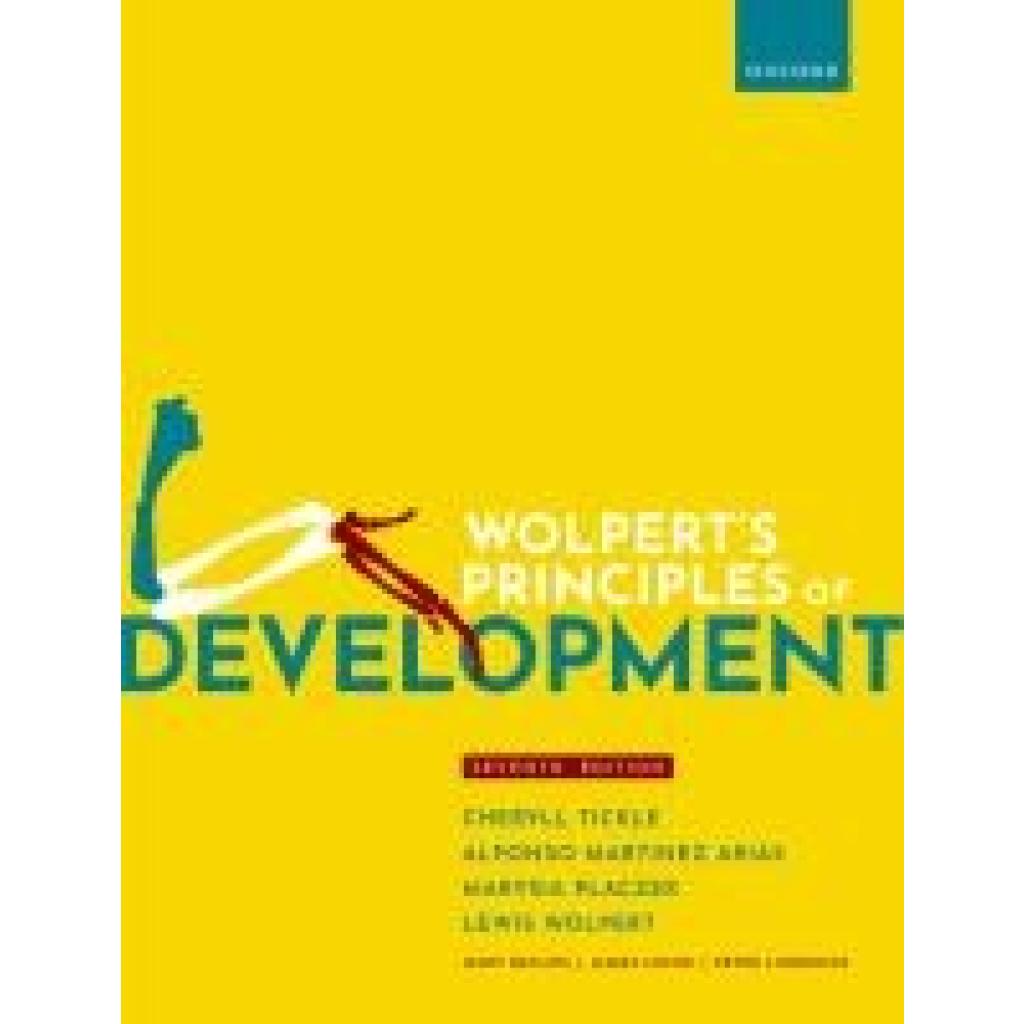
Tickle, Cheryll: Wolpert's Principles of DevelopmentWolpert's Principles of Development , Wolpert's Principles of Development, the latest edition of the prize-winning textbook, opens up the fascinating field of developmental biology to undergraduates studying biology, medicine, and veterinary science. By focusing on the underlying processes shared by diverse organisms, the textbook lays the foundation for a deep understanding. Key features - An emphasis throughout on the underlying principles - which underpin the commonalities between different organisms and their development - enables students to get a clear sense of the 'big picture' of the subject. - Custom-drawn artwork and integrated animations and videos help to make the visualisation of processes and mechanisms in this challenging subject as straightforward as possible. - Medical Boxes explore key developmental diseases and explain how developmental biology furthers our understanding human health and disease. Further experimental detail, including Experimental Boxes, from both classic and current research, demonstrates 'how we know what we know'. - Also available as an e-book enhanced with learning objectives, self-assessment interactive quizzes and multi-media content to offer a fully immersive experience and extra learning support. New to this edition - Chapter 7, a new chapter on Embryonic stem cells, embryo models, and regenerative medicine, to ensure the book's coverage stays up to date with this very active area of developmental biology research. - Chapters 3 and 4 on vertebrate development have been restructured and updated, especially in relation to mouse development, to ensure major concepts and principles are explained with recent supporting experimental evidence. - Chapter 10 on the nervous system has been completely revised and updated, with more emphasis on neural tube patterning. - Chapter 14, which covers nematodes and sea urchins, now appears online as part of the ebook. - There are more examples of the use of CRISPR to address problems like sickle cell disease (Ch6), and evolution of limbs from fins (Ch13). - Examples of single-cell RNA sequencing can be found throughout the book (Ch3, Ch6, Ch7, Ch10, Ch11, Ch12). - Smaller revisions, updates, and new figures have been included throughout. Digital formats and resources The seventh edition is available for students and institutions to purchase in a variety of formats: the e-book and Science Trove offer a mobile experience and convenient access along with interactive self-test questions, videos, flashcards, supplementary materials, functionality tools, navigation features and links that offer extra learning support. For more information about e-books, please visit www.oxfordtextbooks.co.uk/ebooks , > , Auflage: 7 Revised edition, Erscheinungsjahr: 20241213, Produktform: Kartoniert, Autoren: Martinez Arias, Alfonso~Tickle, Cheryll~Wolpert, Lewis~Placzek, Marysia, Auflage: 25007, Auflage/Ausgabe: 7 Revised edition, Seitenzahl/Blattzahl: 960, Abbildungen: 840 figures, Themenüberschrift: SCIENCE / Life Sciences / Developmental Biology, Fachschema: Biowissenschaften~Life Sciences~Biologie / Entwicklungsbiologie~Entwicklungsbiologie, Fachkategorie: Biowissenschaften, allgemein, Warengruppe: TB/Biologie/Grundlagen, UNSPSC: 49019900, Warenverzeichnis für die Außenhandelsstatistik: 49019900, Länge: 268, Breite: 205, Höhe: 32, Gewicht: 1796, Produktform: Kartoniert, Genre: Importe,71,91 €*Versand: 0,00 €Sichere Weiterleitung zum Anbieter
-
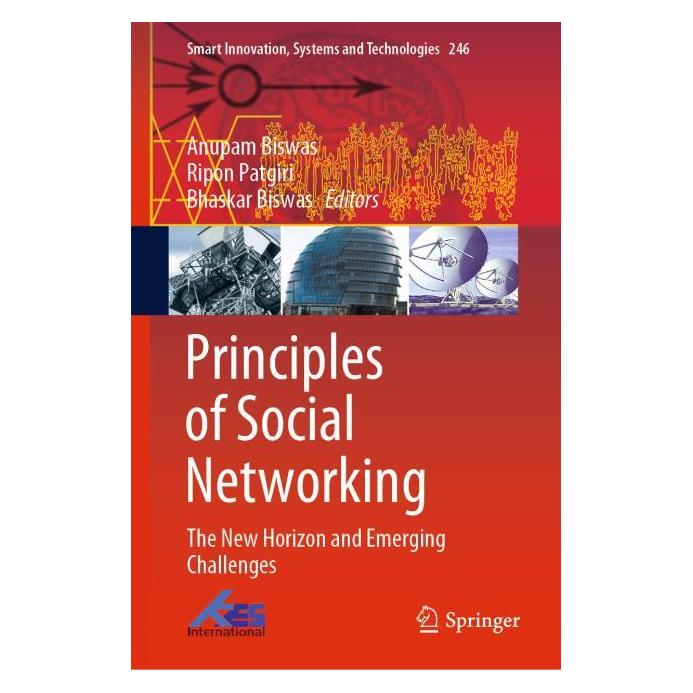
Springer Principles of Social Networking (Englisch, Hardcover, Anupam Biswas, Bhaskar Biswas, Ripon Patgiri) (71876190)Springer Principles of Social Networking (Englisch, Hardcover, Anupam Biswas, Bhaskar Biswas, Ripon Patgiri) (71876190)192,59 €*Versand: 0,00 €Sichere Weiterleitung zum Anbieter


-
Was ist der Unterschied zwischen Training und Talent?
Training bezieht sich auf die gezielte Entwicklung von Fähigkeiten und Fertigkeiten durch Übung und Anstrengung. Talent hingegen bezieht sich auf eine natürliche Begabung oder Anlage für eine bestimmte Tätigkeit oder Fähigkeit. Während Training dazu beitragen kann, vorhandene Talente zu verbessern, kann Talent auch ohne intensives Training zu außergewöhnlichen Leistungen führen. **
-
Was ist wichtiger: Talent oder Fleiß und Training?
Es ist eine Kombination aus beidem. Talent kann eine gute Grundlage bieten, aber ohne Fleiß und Training wird das Potenzial nicht voll ausgeschöpft. Fleiß und Training ermöglichen es, Fähigkeiten zu entwickeln, zu verbessern und zu verfeinern, um erfolgreich zu sein. **
-
Was bedeutet "Blind Auditions"?
"Blind Auditions" ist ein Begriff, der oft in Musikwettbewerben oder Casting-Shows verwendet wird. Dabei treten die Kandidaten vor einer Jury auf, die sie jedoch nicht sehen können. Die Jury bewertet die Kandidaten ausschließlich nach ihrer Stimme und ihrem Talent, ohne von ihrem Aussehen oder anderen äußeren Merkmalen beeinflusst zu werden. **
-
1. What qualities do judges possess that make them effective in delivering fair and just rulings? 2. How do judges balance the letter of the law with the principles of justice in their decisions?
1. Judges possess qualities such as impartiality, integrity, and knowledge of the law that help them deliver fair and just rulings. 2. Judges balance the letter of the law with principles of justice by interpreting laws in a way that upholds justice and fairness, considering the specific circumstances of each case, and applying legal principles in a way that achieves a just outcome. **


Wie funktionieren K-Pop-Auditions?
K-Pop-Auditions sind Vorsprechen, bei denen talentierte junge Menschen ihre Gesangsfähigkeiten, Tanzfähigkeiten und manchmal auch schauspielerisches Talent vorführen können. Die Auditions werden normalerweise von K-Pop-Unternehmen oder Talentagenturen veranstaltet, die nach neuen Talenten suchen, um in ihren Musikgruppen zu debütieren. Die Teilnehmer müssen oft eine Vorauswahl durchlaufen und dann vor einer Jury vorsingen und tanzen, um ihre Fähigkeiten zu demonstrieren. **
Was ist Teenager-Modeling?
Teenager-Modeling bezieht sich auf das Modeln von Teenagern im Alter von etwa 13 bis 19 Jahren. Es umfasst das Posieren für Fotoshootings, das Laufen auf dem Laufsteg und das Arbeiten als Model für Mode- und Beauty-Marken. Teenager-Modeling kann eine Möglichkeit für junge Menschen sein, ihre Karriere im Modelbusiness zu starten und Erfahrungen in der Modeindustrie zu sammeln. **
Top-Angebote
Produkte zum Begriff Principles:
-
Tickle, Cheryll: Wolpert's Principles of DevelopmentWolpert's Principles of Development , Wolpert's Principles of Development, the latest edition of the prize-winning textbook, opens up the fascinating field of developmental biology to undergraduates studying biology, medicine, and veterinary science. By focusing on the underlying processes shared by diverse organisms, the textbook lays the foundation for a deep understanding. Key features - An emphasis throughout on the underlying principles - which underpin the commonalities between different organisms and their development - enables students to get a clear sense of the 'big picture' of the subject. - Custom-drawn artwork and integrated animations and videos help to make the visualisation of processes and mechanisms in this challenging subject as straightforward as possible. - Medical Boxes explore key developmental diseases and explain how developmental biology furthers our understanding human health and disease. Further experimental detail, including Experimental Boxes, from both classic and current research, demonstrates 'how we know what we know'. - Also available as an e-book enhanced with learning objectives, self-assessment interactive quizzes and multi-media content to offer a fully immersive experience and extra learning support. New to this edition - Chapter 7, a new chapter on Embryonic stem cells, embryo models, and regenerative medicine, to ensure the book's coverage stays up to date with this very active area of developmental biology research. - Chapters 3 and 4 on vertebrate development have been restructured and updated, especially in relation to mouse development, to ensure major concepts and principles are explained with recent supporting experimental evidence. - Chapter 10 on the nervous system has been completely revised and updated, with more emphasis on neural tube patterning. - Chapter 14, which covers nematodes and sea urchins, now appears online as part of the ebook. - There are more examples of the use of CRISPR to address problems like sickle cell disease (Ch6), and evolution of limbs from fins (Ch13). - Examples of single-cell RNA sequencing can be found throughout the book (Ch3, Ch6, Ch7, Ch10, Ch11, Ch12). - Smaller revisions, updates, and new figures have been included throughout. Digital formats and resources The seventh edition is available for students and institutions to purchase in a variety of formats: the e-book and Science Trove offer a mobile experience and convenient access along with interactive self-test questions, videos, flashcards, supplementary materials, functionality tools, navigation features and links that offer extra learning support. For more information about e-books, please visit www.oxfordtextbooks.co.uk/ebooks , > , Auflage: 7 Revised edition, Erscheinungsjahr: 20241213, Produktform: Kartoniert, Autoren: Martinez Arias, Alfonso~Tickle, Cheryll~Wolpert, Lewis~Placzek, Marysia, Auflage: 25007, Auflage/Ausgabe: 7 Revised edition, Seitenzahl/Blattzahl: 960, Abbildungen: 840 figures, Themenüberschrift: SCIENCE / Life Sciences / Developmental Biology, Fachschema: Biowissenschaften~Life Sciences~Biologie / Entwicklungsbiologie~Entwicklungsbiologie, Fachkategorie: Biowissenschaften, allgemein, Warengruppe: TB/Biologie/Grundlagen, UNSPSC: 49019900, Warenverzeichnis für die Außenhandelsstatistik: 49019900, Länge: 268, Breite: 205, Höhe: 32, Gewicht: 1796, Produktform: Kartoniert, Genre: Importe,71,91 €*Versand: 0,00 €Sichere Weiterleitung zum Anbieter
-
"The topic of sensory integration is relevant to everything from child development to occupational therapy. What are the key principles of sensory integration and how do they impact daily life?"
The key principles of sensory integration include the idea that sensory input affects how we process information, the importance of a balance between different sensory systems, and the need for adaptive responses to sensory stimuli. These principles impact daily life by influencing how individuals interact with their environment, regulate their emotions, and engage in activities. Understanding sensory integration can help improve functioning in areas such as attention, behavior, and social interactions. **
-
Was ist wichtiger: hartes Training oder Talent?
Sowohl hartes Training als auch Talent sind wichtig, aber ihre Bedeutung kann je nach Kontext variieren. Talent kann eine gute Ausgangsbasis bieten, aber ohne hartes Training und Engagement wird man seine Fähigkeiten nicht voll ausschöpfen können. Hartes Training ermöglicht es einem, seine Fähigkeiten zu verbessern und sein volles Potenzial zu erreichen, unabhängig vom vorhandenen Talent. **
-
Was ist der Unterschied zwischen Training und Talent?
Training bezieht sich auf die gezielte Entwicklung von Fähigkeiten und Fertigkeiten durch Übung und Anstrengung. Talent hingegen bezieht sich auf eine natürliche Begabung oder Anlage für eine bestimmte Tätigkeit oder Fähigkeit. Während Training dazu beitragen kann, vorhandene Talente zu verbessern, kann Talent auch ohne intensives Training zu außergewöhnlichen Leistungen führen. **
-
Was ist wichtiger: Talent oder Fleiß und Training?
Es ist eine Kombination aus beidem. Talent kann eine gute Grundlage bieten, aber ohne Fleiß und Training wird das Potenzial nicht voll ausgeschöpft. Fleiß und Training ermöglichen es, Fähigkeiten zu entwickeln, zu verbessern und zu verfeinern, um erfolgreich zu sein. **
Ähnliche Suchbegriffe für Principles
-
Springer Principles of Social Networking (Englisch, Hardcover, Anupam Biswas, Bhaskar Biswas, Ripon Patgiri) (71876190)Springer Principles of Social Networking (Englisch, Hardcover, Anupam Biswas, Bhaskar Biswas, Ripon Patgiri) (71876190)192,59 €*Versand: 0,00 €Sichere Weiterleitung zum Anbieter
-
Springer Wireless Networking Principles: From Terrestrial to Underwater Acoustic (Englisch, Softcover, Shengming Jiang) (56066298)Springer Wireless Networking Principles: From Terrestrial to Underwater Acoustic (Englisch, Softcover, Shengming Jiang) (56066298)149,79 €*Versand: 0,00 €Sichere Weiterleitung zum Anbieter
-
Springer Principles of Social Networking (Englisch, Softcover, Anupam Biswas, Bhaskar Biswas, Ripon Patgiri) (56876023)Springer Principles of Social Networking (Englisch, Softcover, Anupam Biswas, Bhaskar Biswas, Ripon Patgiri) (56876023)192,59 €*Versand: 0,00 €Sichere Weiterleitung zum Anbieter
-
Was bedeutet "Blind Auditions"?
"Blind Auditions" ist ein Begriff, der oft in Musikwettbewerben oder Casting-Shows verwendet wird. Dabei treten die Kandidaten vor einer Jury auf, die sie jedoch nicht sehen können. Die Jury bewertet die Kandidaten ausschließlich nach ihrer Stimme und ihrem Talent, ohne von ihrem Aussehen oder anderen äußeren Merkmalen beeinflusst zu werden. **
-
1. What qualities do judges possess that make them effective in delivering fair and just rulings? 2. How do judges balance the letter of the law with the principles of justice in their decisions?
1. Judges possess qualities such as impartiality, integrity, and knowledge of the law that help them deliver fair and just rulings. 2. Judges balance the letter of the law with principles of justice by interpreting laws in a way that upholds justice and fairness, considering the specific circumstances of each case, and applying legal principles in a way that achieves a just outcome. **
-
Wie funktionieren K-Pop-Auditions?
K-Pop-Auditions sind Vorsprechen, bei denen talentierte junge Menschen ihre Gesangsfähigkeiten, Tanzfähigkeiten und manchmal auch schauspielerisches Talent vorführen können. Die Auditions werden normalerweise von K-Pop-Unternehmen oder Talentagenturen veranstaltet, die nach neuen Talenten suchen, um in ihren Musikgruppen zu debütieren. Die Teilnehmer müssen oft eine Vorauswahl durchlaufen und dann vor einer Jury vorsingen und tanzen, um ihre Fähigkeiten zu demonstrieren. **
-
Was ist Teenager-Modeling?
Teenager-Modeling bezieht sich auf das Modeln von Teenagern im Alter von etwa 13 bis 19 Jahren. Es umfasst das Posieren für Fotoshootings, das Laufen auf dem Laufsteg und das Arbeiten als Model für Mode- und Beauty-Marken. Teenager-Modeling kann eine Möglichkeit für junge Menschen sein, ihre Karriere im Modelbusiness zu starten und Erfahrungen in der Modeindustrie zu sammeln. **
* Alle Preise verstehen sich inklusive der gesetzlichen Mehrwertsteuer und ggf. zuzüglich Versandkosten. Die Angebotsinformationen basieren auf den Angaben des jeweiligen Shops und werden über automatisierte Prozesse aktualisiert. Eine Aktualisierung in Echtzeit findet nicht statt, so dass es im Einzelfall zu Abweichungen kommen kann. ** Hinweis: Teile dieses Inhalts wurden von KI erstellt.